
Cryptocurrency mining isn’t about pickaxes—it’s digital accounting on steroids. Miners use powerful computers to solve complex math puzzles, competing to validate transactions and add them to the blockchain. Winners get newly minted coins plus transaction fees for their trouble. This process guarantees network security through Proof of Work (though some coins now use less energy-intensive methods). Mining requires specialized hardware and substantial electricity, making profitability a delicate balance. Discover what it takes to join this digital gold rush.
While the term “mining” might conjure images of pickaxes and gold pans, cryptocurrency mining involves far more computing power than physical labor. It’s a critical process that validates transactions on blockchain networks, maintaining their integrity and security while releasing new coins into circulation. Think of miners as digital accountants, except they’re competing against each other using powerful computers instead of calculators.
So how does it actually work? Miners race to solve complex mathematical puzzles—essentially sophisticated guesswork requiring massive computational power. The first miner to crack the code gets to add a new block of transactions to the blockchain and receives a reward of newly minted coins plus transaction fees. Congrats, you’ve just earned digital money by letting your computer sweat!
This process relies on a consensus mechanism called Proof of Work (PoW), which Bitcoin famously uses. Ethereum, once a PoW adherent, has switched to Proof of Stake (PoS), which requires validators to hold cryptocurrency rather than burn through electricity. Both methods prevent double-spending and maintain network security, though with vastly different energy profiles. This transition has been monumental for sustainability, as Ethereum’s shift is expected to reduce energy consumption by 99.95 percent.
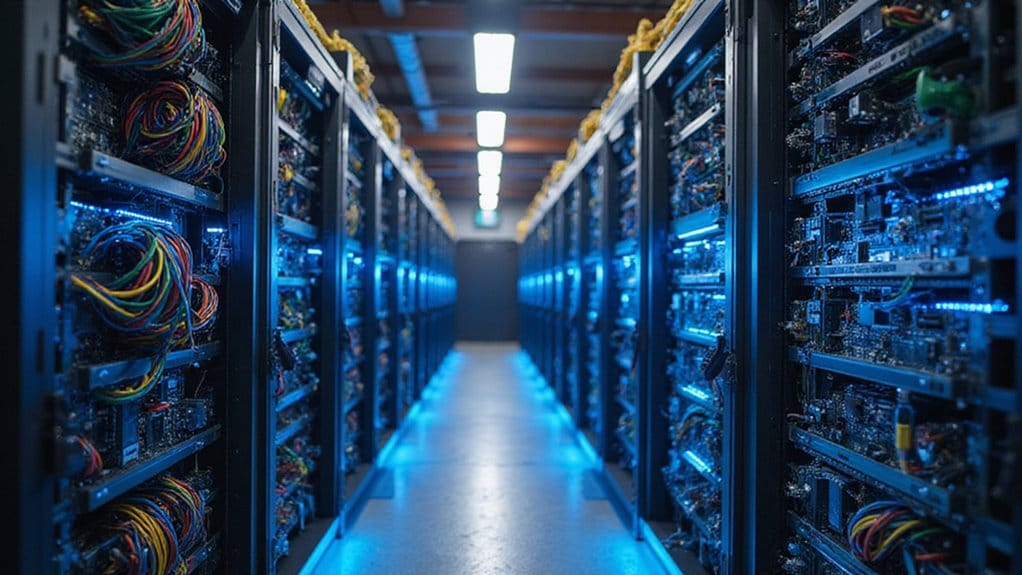
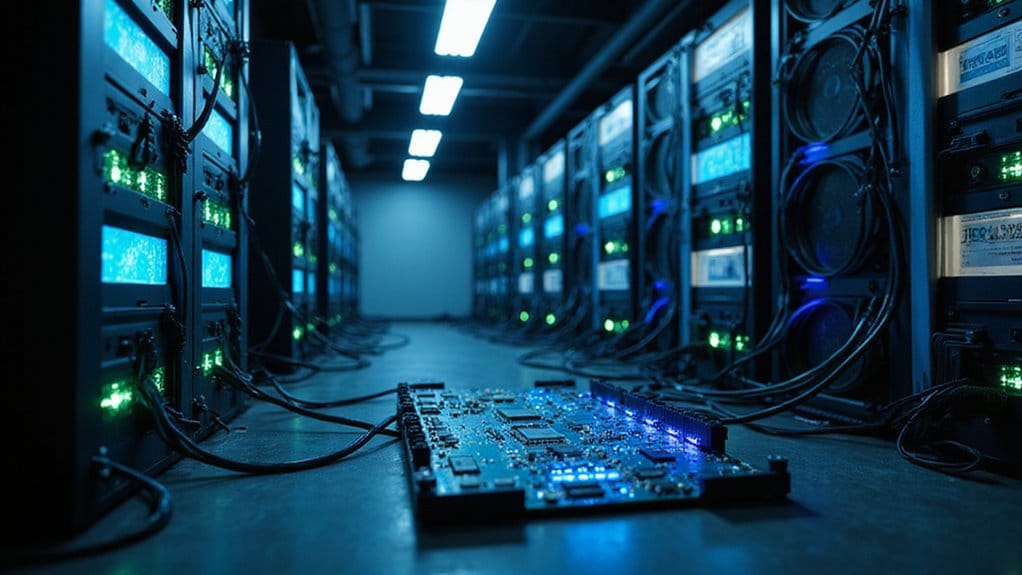
Mining requires specialized hardware—forget your laptop, you’ll need Application-Specific Integrated Circuits (ASICs) or high-end graphics cards, depending on the cryptocurrency. These power-hungry beasts demand proper cooling and electricity management, which is why mining operations often resemble data centers rather than home offices. Some advanced mining operations now utilize immersion cooling technology to reduce energy costs and improve ASIC performance.
The financial incentives are straightforward: block rewards and transaction fees. But don’t quit your day job just yet. Mining profitability fluctuates with cryptocurrency values, electricity costs, and hardware expenses. As block rewards decrease over time (Bitcoin’s get cut in half approximately every four years), miners increasingly rely on transaction fees for income. Many beginners opt for pool mining instead of solo mining to increase their chances of earning rewards, despite sharing the profits with other participants.
Beyond profits, cryptocurrency mining serves a greater purpose—it decentralizes control, creates transparent transaction records, and fortifies networks against attacks. No single entity can manipulate the system, making mining an essential cornerstone of blockchain technology’s trustless architecture.
Frequently Asked Questions
Can Mining Damage My Computer Hardware?
Mining can damage computer hardware through excessive heat generation, component stress, and electrical issues. Without proper cooling and ventilation, continuous high-load operations greatly reduce hardware lifespan and may cause permanent damage.
How Much Electricity Does Cryptocurrency Mining Consume?
Cryptocurrency mining consumes substantial electricity, ranging from 0.6% to 2.3% of U.S. electricity annually. Bitcoin alone requires approximately 120 TWh globally, comparable to entire countries like Greece or Australia’s consumption.
Is Solo Mining Still Profitable for Beginners?
Solo mining remains largely unprofitable for beginners due to high equipment costs, substantial energy consumption, increasing difficulty levels, and competition from industrial operations. Pool mining offers more consistent, albeit smaller, returns for newcomers.
What Happens to Mining After All Coins Are Mined?
After all coins are mined, miners will shift to earning solely from transaction fees. Network security will depend on fee incentives, potentially leading to economic restructuring and increased reliance on technological advancements for continued profitability.
Are There Environmentally Friendly Mining Alternatives?
Several environmentally friendly alternatives to traditional cryptocurrency mining exist, including Proof-of-Stake, Delegated Proof-of-Stake, and networks utilizing renewable energy sources. These systems greatly reduce energy consumption while maintaining blockchain security and functionality.