Buying Bitcoin is simpler than you think. First, choose a platform like Coinbase or PayPal based on fees and user experience. Create an account (yes, you’ll need ID—it’s legit money, folks). Fund your account via bank transfer to avoid those nasty credit card fees. Make your purchase—even $20 worth is fine! For serious security, transfer your Bitcoin to an external wallet like Ledger. The cryptocurrency world awaits your savvy investment moves.
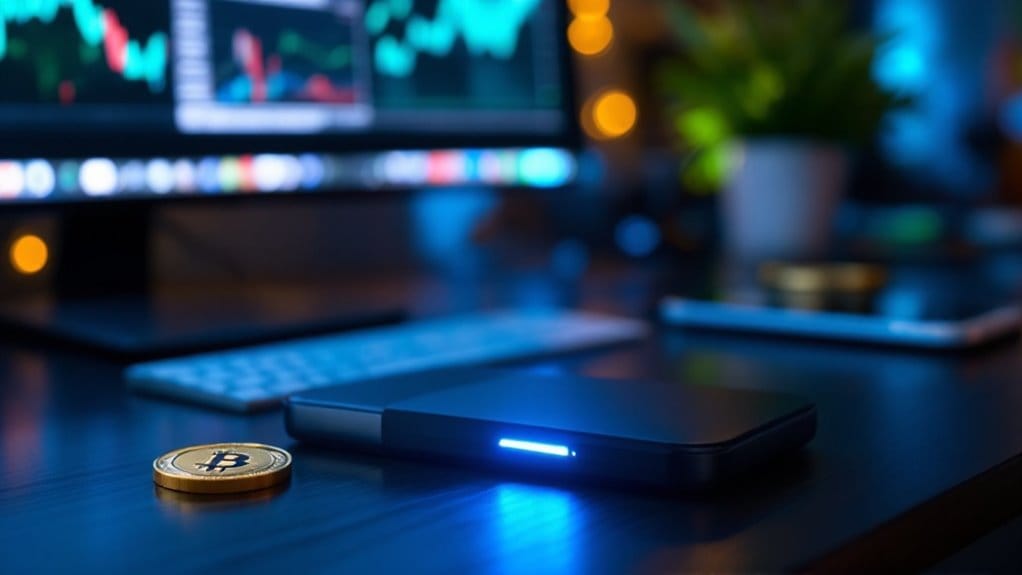
Maneuvering the world of cryptocurrency doesn’t have to feel like decoding an alien language. The process starts with choosing where to buy your Bitcoin—options abound from centralized exchanges like Coinbase and Kraken to payment apps like PayPal.
For those seeking privacy, peer-to-peer platforms such as SecureShift offer more anonymous transactions, though they come with their own risks.
Setting up an account follows next. Most platforms require verification through a KYC (Know Your Customer) process—yes, that means sharing your ID and personal details.
Your private details for public trading—the irony of KYC isn’t lost on crypto enthusiasts seeking financial freedom.
Don’t skip the two-factor authentication step! Hackers love lazy security practices, and your future Bitcoin fortune deserves better protection than your Netflix password.
Once verified, it’s time to add funds. Bank transfers typically offer lower fees than credit cards, which might sting with 3-5% charges.
Watch for those sneaky minimum deposit requirements too. Nobody tells you about those until it’s too late!
Ready to buy? You’ve got choices. Market orders execute immediately at current prices (hello, potential price slippage), while limit orders let you set your desired purchase price.
Can’t afford a whole Bitcoin? No problem! You can buy fractions—even $20 worth if that’s your budget. Remember that Bitcoin’s finite supply makes even small purchases valuable as part of the limited 21 million coins that will ever exist.
Smart investors don’t leave their Bitcoin sitting on exchanges. Transfer your digital gold to an external wallet—software options work for smaller amounts, but hardware wallets like Ledger or Trezor offer superior security for serious investments.
Think of exchanges as busy train stations and wallets as your home safe.
Managing your investment requires vigilance. Track price movements using tools like CoinGecko, consider dollar-cost averaging instead of timing the market (spoiler: you probably can’t), and remember that Bitcoin is taxable.
The IRS isn’t forgetting about your crypto gains, so neither should you.
Some platforms like Robinhood offer 0% trading fees which can significantly reduce your investment costs when building a Bitcoin position. Remember that Bitcoin operates on blockchain technology, a decentralized ledger system that records all transactions without the need for a central authority.
Finally, keep learning. This market changes faster than fashion trends, so follow reputable sources and community forums.
Yesterday’s strategy might be tomorrow’s cautionary tale.
Frequently Asked Questions
What Are the Tax Implications of Buying and Selling Bitcoin?
Bitcoin purchases are tax-free, but selling triggers capital gains taxes based on holding period. Short-term gains (under one year) face higher rates than long-term gains. Every transaction requires reporting to avoid tax evasion.
How Secure Are Cryptocurrency Exchanges Against Hacking?
Cryptocurrency exchanges face multiple security threats including social engineering, phishing, and smart contract exploits. While major platforms implement robust security measures like multi-signature wallets, the industry still experiences significant hacks and financial losses annually.
Can Bitcoin Be Included in Retirement Portfolios?
Bitcoin can be included in retirement portfolios as a diversification tool. It offers potential inflation hedging and high returns, though its volatility requires careful allocation—typically limited to a small percentage based on individual risk tolerance.
What Happens to My Bitcoin if the Exchange Goes Bankrupt?
If an exchange goes bankrupt, investors’ bitcoin may be frozen during bankruptcy proceedings. Holders become unsecured creditors, potentially receiving only partial repayment. Using personal wallets instead of exchange storage offers greater protection against such risks.
How Does Bitcoin Mining Affect the Environment?
Bitcoin mining greatly impacts the environment through high electricity consumption, contributing to carbon emissions when powered by fossil fuels. It also affects water resources and land use, though renewable energy adoption is gradually increasing.