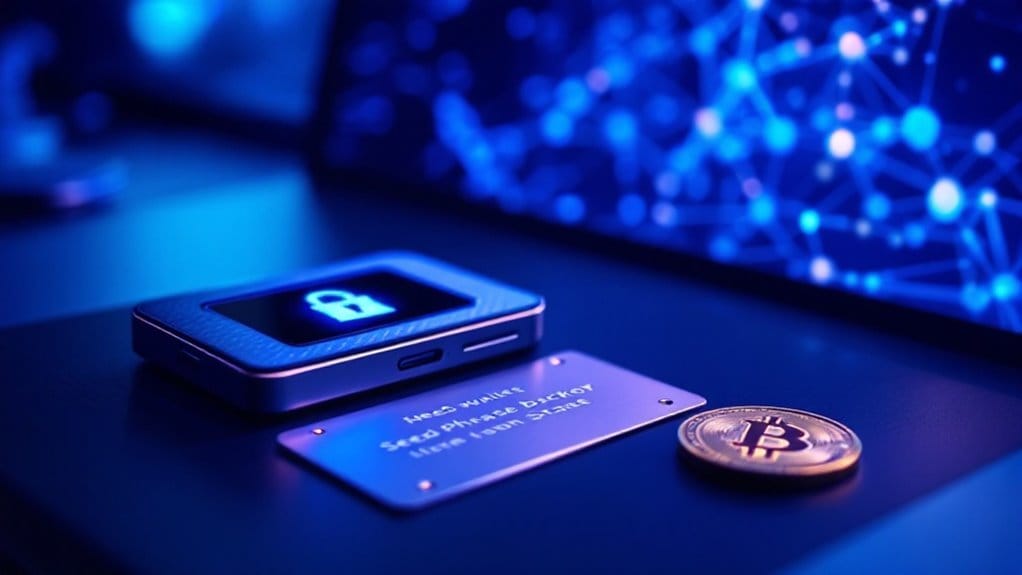

A non-custodial crypto wallet puts you in complete control of your digital assets. Unlike custodial options, you—not some exchange—hold the private keys. This means no intermediaries, no asking permission, and no “sorry, we got hacked” nightmares. Choose from software wallets (like MetaMask), hardware options (Ledger, Trezor), or even paper wallets for maximum security. Remember: losing your recovery phrase means losing everything, so guard it with your life. The crypto mantra exists for good reason: not your keys, not your coins.
Why surrender control of your digital assets to third parties when you can be your own bank? Non-custodial wallets put you in the driver’s seat of your crypto journey by giving you exclusive possession of your private keys. Unlike custodial alternatives where exchanges or platforms hold your assets, non-custodial options mean you—and only you—can access and manage your cryptocurrency.
These wallets come in various forms to suit different needs. Software wallets like MetaMask connect to the internet for convenient access. Hardware wallets (think Ledger or Trezor) keep your keys offline, away from hackers’ grubby digital fingers. Paper wallets? They’re literally your keys printed on physical paper—old school but effective for long-term storage. They provide censorship resistance by allowing direct access to your blockchain address without any intermediaries.
The benefits are substantial. You get full control over your assets—no permission needed to send, receive, or hodl. Your privacy remains intact since there’s no nosy third party collecting your personal data. Many experienced users prefer non-custodial wallets for their enhanced security from third-party vulnerabilities. These wallets directly interact with the blockchain technology that underpins cryptocurrencies like Bitcoin and Ethereum. And forget about those annoying KYC requirements freezing your funds when you least expect it.
Want to plunge into DeFi? Non-custodial wallets let you connect directly to decentralized applications without gatekeepers.
But let’s be crystal clear: this freedom comes with enormous responsibility. Lose your recovery phrase? Your funds are gone forever. No customer service hotline exists to reset your “password.” Hackers don’t rest, so your security practices must be impeccable.
Managing a non-custodial wallet requires some technical know-how. You’ll need to understand seed phrases, private keys, and basic security protocols. Store your recovery phrase in multiple secure locations—not just a sticky note on your monitor (yes, people actually do this).
The crypto mantra “not your keys, not your coins” exists for good reason. When exchanges get hacked or go bankrupt, those holding their assets in custodial wallets often lose everything.
Meanwhile, non-custodial wallet users sleep soundly, knowing their digital wealth remains firmly in their control—regardless of market chaos. The question isn’t whether you can afford a non-custodial wallet; it’s whether you can afford not to use one.
Frequently Asked Questions
How Do I Recover My Wallet if I Lose My Seed Phrase?
Recovery without a seed phrase is extremely difficult. Options include checking device backups, contacting wallet support, using recovery services, or attempting data recovery tools. However, success rates are low and costs potentially high.
Are Non-Custodial Wallets Compatible With All Cryptocurrencies?
Non-custodial wallets aren’t compatible with all cryptocurrencies. Each wallet supports specific blockchains and tokens based on its design. Users must verify compatibility before selecting a wallet for their particular digital assets.
What Security Measures Protect My Assets in Non-Custodial Wallets?
Non-custodial wallets protect assets through locally stored private keys, offline hardware security, secure recovery phrase backups, multi-signature setups, and digital safeguards like VPN usage, malware protection, and avoiding public Wi-Fi networks when accessing funds.
How Do Transaction Fees Compare Between Custodial and Non-Custodial Wallets?
Transaction fees differ considerably between wallet types. Non-custodial wallets charge only network fees with user control, while custodial wallets may add service fees but sometimes offer free internal transactions within their ecosystem.
Can I Use Non-Custodial Wallets for Defi Applications?
Non-custodial wallets are ideal for DeFi applications, allowing direct interaction with protocols for lending, borrowing, and trading. Users maintain control of their private keys while accessing decentralized financial services without intermediaries.