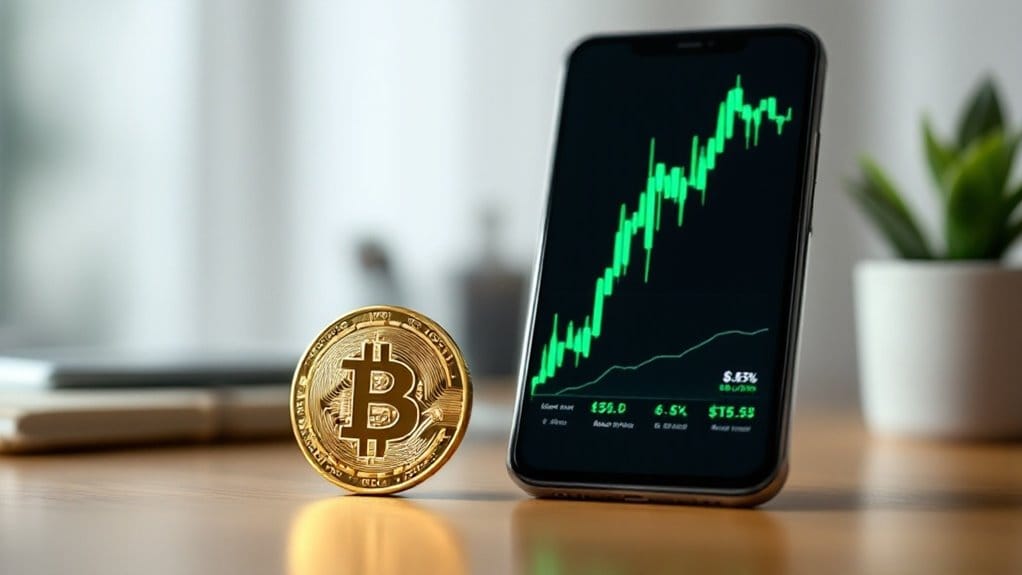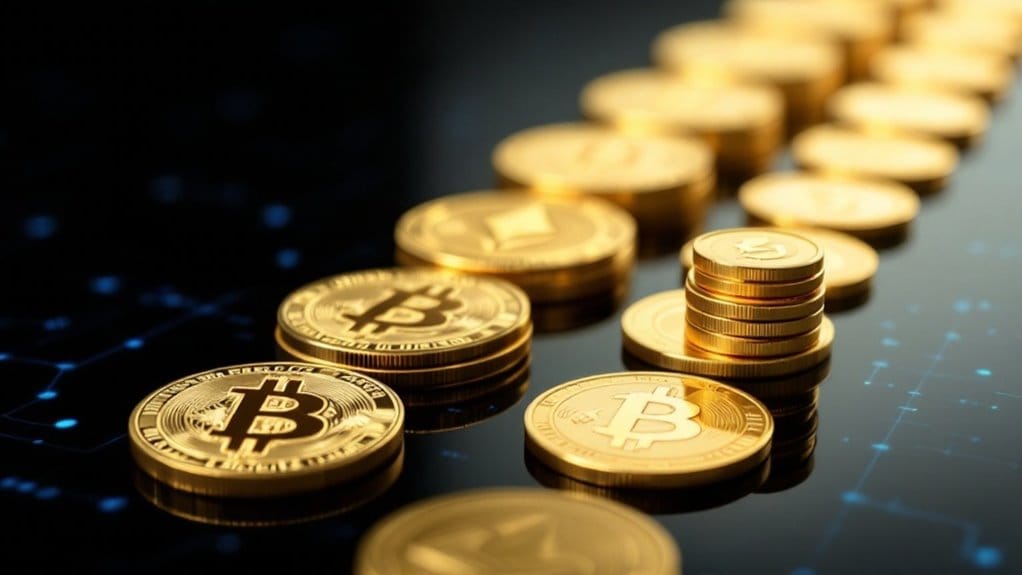

Fungible tokens in cryptocurrency are interchangeable digital assets, exactly like physical money. One Bitcoin equals another Bitcoin, period. Unlike NFTs, these tokens maintain identical value regardless of their history or specific units. They’re divisible (yes, you can send 0.0053 BTC), highly liquid, and perfect for everyday transactions. Fungible tokens power DeFi platforms and include familiar names like Bitcoin, Ethereum, and stablecoins like Tether. Understanding this foundation opens up the entire crypto ecosystem’s potential.

In the vast universe of cryptocurrency, fungible tokens stand as the workhorses of digital finance. These tokens possess a fundamental characteristic that makes them particularly useful: interchangeability. One Bitcoin is identical to another Bitcoin, just as one dollar bill functions exactly like any other dollar bill. This quality separates them distinctly from their flashier cousins, NFTs, which thrive on uniqueness.
Fungible tokens come with impressive versatility. They’re divisible (try splitting that Mona Lisa NFT—you can’t), allowing users to send fractions of tokens for microtransactions. Bitcoin, Ethereum, and Litecoin are prime examples, each serving as digital currency while maintaining perfect uniformity across units. Need to transfer 0.0053 BTC? No problem. The system doesn’t care which specific “bits” of Bitcoin you’re sending.
Unlike rigid NFTs, fungible tokens offer divisibility for microtransactions—whether 0.0053 BTC or a whole coin, they function identically across the network.
The liquidity of these tokens gives them serious advantages. You can trade them easily on exchanges without hunting for specific buyers interested in your particular token. This makes them perfect for everyday transactions—buy coffee, pay bills, or send money abroad without the hassle of traditional banking systems. The fast transfers enabled by blockchain technology significantly reduce the need for intermediaries in financial transactions.
Want practical applications? Look at DeFi platforms where these tokens power lending protocols and liquidity pools. Or consider stablecoins, which offer the benefits of cryptocurrency while maintaining value stability by pegging to external assets like the US dollar. They’re brilliant for maneuvering through crypto’s notorious volatility. Unlike NFTs, fungible tokens generally have a much lower environmental impact due to their efficient transaction processing. Stablecoins like Tether (USDT) and USD Coin (USDC) have become essential tools in the crypto ecosystem as they combine the price stability of traditional currencies with the technological advantages of blockchain.
Don’t confuse fungible tokens with NFTs. While both use blockchain technology, they serve entirely different purposes. NFTs represent ownership of unique items, while fungible tokens function as currencies and standardized value units. When would you use rare art to buy groceries? You wouldn’t.
The evolution of fungible tokens traces back to Bitcoin’s creation, with standards like ERC-20 later establishing frameworks for token development on Ethereum. These developments have revolutionized how value transfers across the internet, creating financial systems that operate without traditional intermediaries.
Master these tokens, and you’ve understood the backbone of cryptocurrency economics.
Frequently Asked Questions
How Do Fungible Tokens Differ From Non-Fungible Tokens (NFTS)?
Fungible tokens are interchangeable with identical value units that can be divided and freely traded. In contrast, NFTs represent unique digital assets with distinct identities and ownership records on the blockchain.
Can Fungible Tokens Lose Their Value Completely?
Fungible tokens can indeed lose their value completely due to economic downturns, regulatory changes, lack of adoption, competition from alternatives, security breaches, or technical failures in the underlying blockchain infrastructure.
Which Blockchain Platforms Support the Creation of Fungible Tokens?
Fungible tokens can be created on numerous blockchain platforms, including Ethereum (ERC-20), Binance Smart Chain, Polkadot, Solana, EOS, and Rootstock. Each platform offers different features for transaction speed, costs, and interoperability capabilities.
How Are Fungible Tokens Regulated in Different Countries?
Fungible token regulations vary widely. The U.S. treats them as commodities or securities, the EU classifies them as financial instruments, while Asian countries have diverse approaches. China prohibits exchanges but embraces CBDCs.
What Security Risks Are Associated With Fungible Token Investments?
Fungible token investments face several security risks including exchange hacks, smart contract vulnerabilities, regulatory uncertainties, market volatility, custody challenges, and potential scams. Investors should employ robust security measures to safeguard their assets.