Non-fungible tokens (NFTs) are unique digital assets that serve as certificates of ownership for virtual or physical items on a blockchain. Each NFT contains a distinct digital signature, making it impossible to replicate or substitute. Unlike cryptocurrencies such as Bitcoin, NFTs cannot be exchanged equally—they’re one-of-a-kind. Think digital trading cards or deeds for artwork that can sell for millions. Creating NFTs involves “minting” through platforms like OpenSea, requiring cryptocurrency to pay gas fees. The rabbit hole goes much deeper.

While the crypto world continues to evolve at breakneck speed, Non-Fungible Tokens (NFTs) have emerged as one of its most fascinating and controversial innovations. Unlike cryptocurrencies such as Bitcoin or Ethereum, which are fungible and can be exchanged on a like-for-like basis, NFTs represent something entirely different: unique digital assets that cannot be replicated or exchanged equally for another.
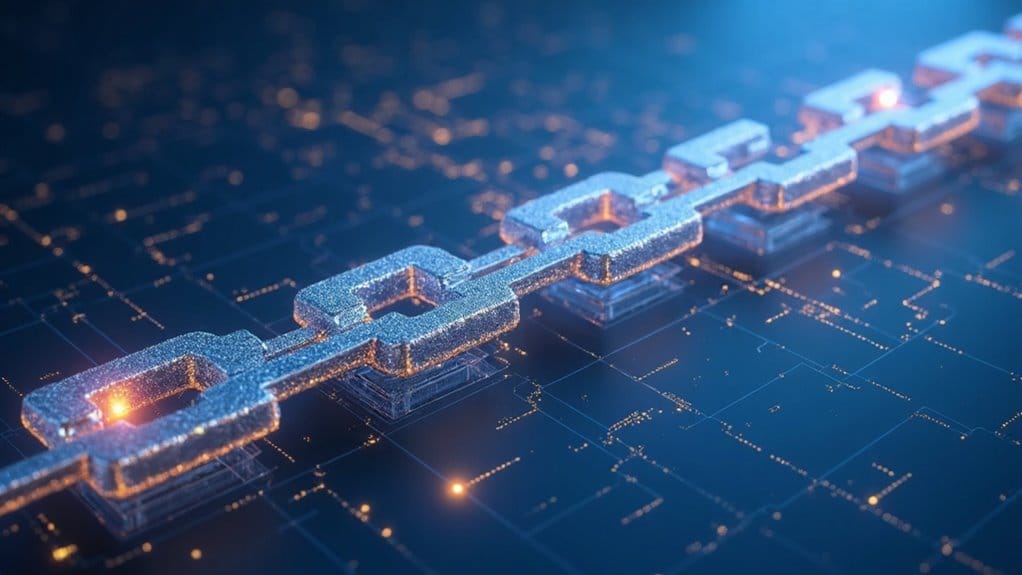
NFTs serve as digital certificates of ownership for virtually anything—digital art, music, collectibles, virtual real estate, and even tweets. Each NFT contains a unique digital signature recorded on a blockchain (typically Ethereum), making ownership verifiable and transparent. Think of them as digital deeds with built-in authentication. The technology prevents duplication while the blockchain guarantees their history remains permanent and traceable. Unlike cryptocurrencies, NFTs are completely indivisible assets that cannot be broken down into smaller units.
NFTs transform digital items into verifiable assets with tamper-proof ownership histories—digital deeds for the virtual world.
The creation process, called “minting,” transforms digital files into blockchain entries through platforms like OpenSea. Remember, you’ll need a compatible crypto wallet and enough cryptocurrency to cover those pesky gas fees! These fees compensate network validators who process your transaction—they’re unavoidable but essential.
Smart contracts form the backbone of NFT functionality, automatically executing ownership transfers without middlemen. Most NFTs store their actual content off-chain with blockchain entries simply pointing to where the real media lives, often using IPFS for decentralized storage. No, blockchain doesn’t magically make your JPEG any more secure than regular backups would.
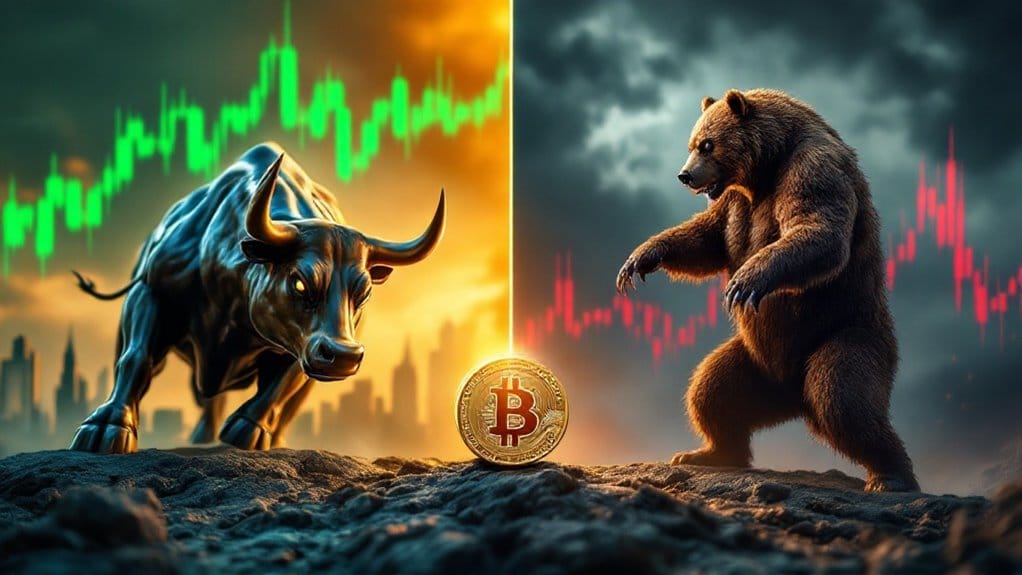
The market for these digital tokens has exploded, with some selling for millions of dollars. Demand drives value—not intrinsic worth—so buyer beware! Their applications extend beyond digital art into gaming, music royalties, and even physical asset tokenization. They follow specific standards like ERC-721 and ERC-1155 that establish rules for ownership transfer and enable batching multiple NFTs into single contracts. When purchasing an NFT, it’s important to review its recorded ownership history which can significantly affect its perceived value and authenticity.
Despite their potential, NFTs face significant challenges. Environmental concerns about energy consumption, scalability issues, and regulatory uncertainty remain unresolved. As the technology matures, expect more efficient minting processes and expanded use cases across industries.
The future of NFTs may depend on addressing these limitations while finding practical applications beyond speculative collecting.
Frequently Asked Questions
How Do You Determine the Value of an NFT?
NFT value is determined by factors including scarcity, creator reputation, utility, market demand, and provenance. Community engagement, historical significance, and subjective perceptions also influence pricing in this evolving digital asset class.
What Are the Environmental Impacts of NFT Transactions?
NFT transactions generate significant carbon emissions through energy-intensive blockchain operations, particularly on proof-of-work networks. They also contribute to electronic waste through hardware upgrades. Solutions include proof-of-stake mechanisms and renewable energy integration.
Can NFTS Be Stolen or Duplicated?
NFTs can be stolen through phishing scams and social media compromises, with over $100 million worth stolen in a year. However, they cannot be duplicated due to blockchain technology’s immutable ownership records and verification mechanisms.
What Happens to NFTS if the Hosting Platform Disappears?
If a hosting platform disappears, NFTs may become inaccessible as their metadata and linked assets often exist off-chain. Only the token’s record remains on the blockchain, potentially rendering the NFT worthless.
Are There Royalties for NFT Creators on Secondary Sales?
Yes, NFT creators typically receive royalties on secondary sales. Smart contracts automatically allocate a percentage (usually 2.5-10%) to original artists whenever their NFTs are resold on supporting marketplaces.