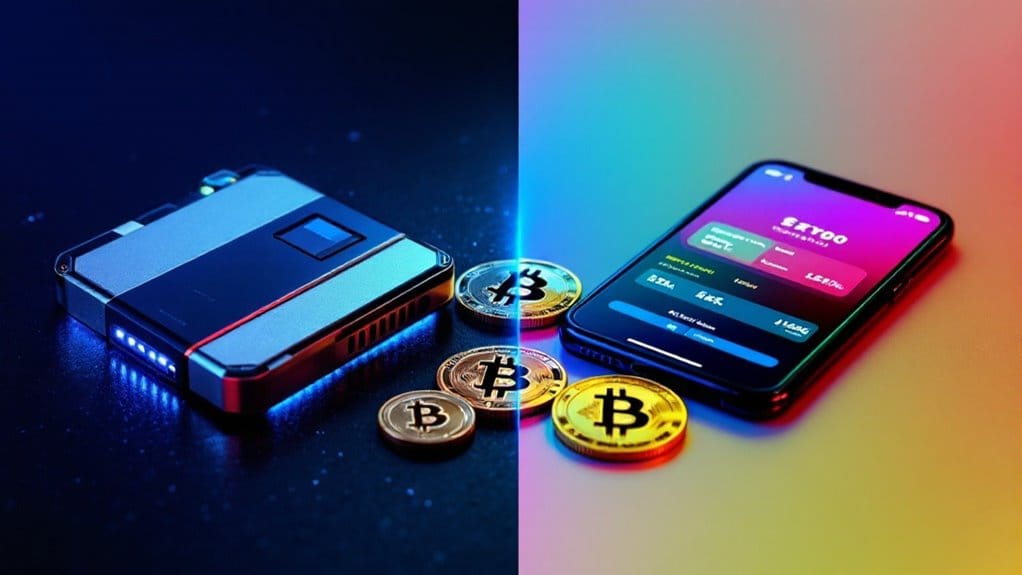
Cryptocurrency security isn’t rocket science, but it’s non-negotiable. Use hardware wallets for significant holdings—keep those private keys offline where hackers can’t touch them. Enable two-factor authentication on everything, double-check addresses before sending, and never rush transactions. Store your seed phrases in multiple secure locations, because losing them means losing your crypto forever. Smart contract interactions? Research first, invest second. The difference between basic security and proper protection could be your entire digital fortune.

As cryptocurrency adoption continues to rise, so does the risk of losing your digital assets to hackers, scammers, and your own mistakes. The blockchain may be secure, but your access points to it? Not so much. Think of your crypto like cash—except this cash can vanish with a single misplaced password or sketchy link click.
Let’s get something straight: hot wallets connected to the internet are convenient but vulnerable. Would you leave your life savings in your car? No? Then don’t keep significant crypto holdings in exchange accounts or mobile wallets.
Hardware wallets like Ledger or Trezor store your private keys offline—hackers can’t steal what they can’t reach. Cold storage isn’t just for crypto snobs; it’s for anyone who prefers keeping their money, well, theirs.
Private keys are everything. Lose them, lose your crypto—full stop. Encrypt them, back them up, but never, ever share them.
Your private keys are the DNA of your crypto existence—guard them like they’re the nuclear launch codes.
Paper wallets might seem charmingly old-school, but they’re about as secure as writing your bank PIN on a sticky note. Two-factor authentication isn’t optional anymore—it’s the minimum barrier between your funds and the army of hackers trying to get them.
Smart contracts power cool DeFi features but can contain vulnerabilities. Stick to audited protocols and don’t throw your funds at every shiny new yield farm.
Transaction errors are permanent in crypto-land. Triple-check addresses before sending, use test transactions for large amounts, and never rush. Incorporating transaction signing practices adds an essential verification layer before funds leave your wallet.
Choose exchanges that prioritize security over flashy interfaces. Look for proof of reserves, regular security audits, and cold storage practices. Selecting platforms that implement Cryptocurrency Security Standards can significantly reduce your risk of falling victim to exchange hacks.
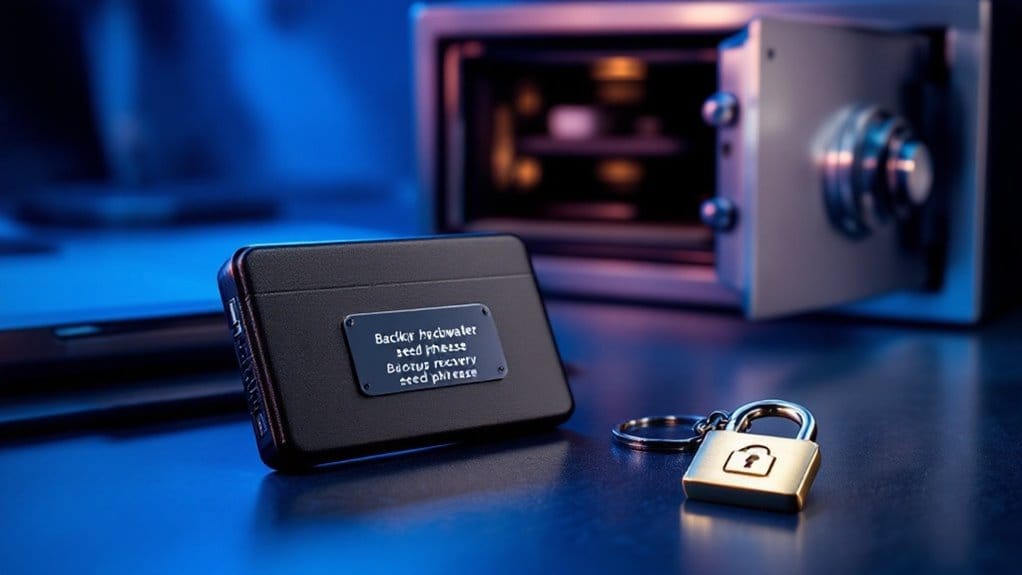
Remember: not your keys, not your coins. Non-custodial wallets give you control but also responsibility—there’s no “forgot password” button in decentralized finance. Creating a secure seed phrase backup is essential to recover your wallet if your device is lost or damaged.
Finally, create a recovery strategy before disaster strikes. Store your seed phrases in multiple secure locations, preferably offline. Consider using multisig setups for large holdings, requiring multiple approvals for transactions.
In crypto security, paranoia isn’t a disorder—it’s a survival skill.
Frequently Asked Questions
What Happens to My Crypto if the Exchange Goes Bankrupt?
When exchanges go bankrupt, customers often become unsecured creditors with limited recovery rights. Assets may be frozen under automatic stays, and eventual returns typically represent only a fraction of original holdings after lengthy proceedings.
Are Hardware Wallets Worth the Investment for Small Crypto Holdings?
Hardware wallets offer superior security for cryptocurrency but may not justify their cost for small holdings. Investors should weigh the expense against potential risks and consider alternatives like secure software wallets with strong authentication.
How Can I Recover Cryptocurrency From a Deceased Family Member?
Recovering cryptocurrency from a deceased family member requires identifying wallets or exchange accounts, locating private keys or recovery phrases, and following legal procedures. Death certificates and probate documents are typically needed when working with exchanges or accessing assets.
What’s the Tax Implication of Moving Crypto Between Wallets?
Moving cryptocurrency between wallets one owns isn’t typically a taxable event as ownership doesn’t change. The cost basis and holding period remain unchanged. However, detailed records should be maintained to distinguish transfers from taxable disposals.
Can I Insure My Cryptocurrency Against Theft or Loss?
Individuals can insure cryptocurrency against theft through specialized providers, though coverage is limited. Most policies target institutions rather than individual holders. Some exchanges offer protection funds. Self-security measures remain essential for thorough protection.