A decentralized crypto wallet gives you complete control over your digital assets without any middlemen. Unlike traditional banking, you—not some corporation—hold the private keys that prove ownership. These wallets come in two flavors: internet-connected “hot” wallets for everyday use, and offline “hardware” wallets for maximum security. They support multiple cryptocurrencies and NFTs on various blockchains. Just don’t lose your recovery phrase, or your funds vanish forever. Proper wallet selection could mean the difference between security and regret.
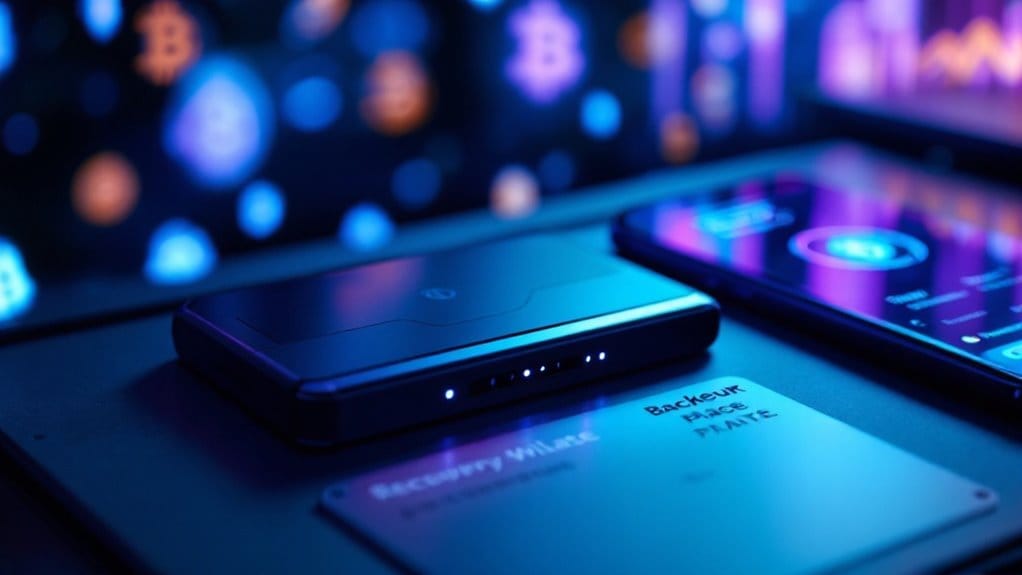
While traditional banking keeps your money locked behind layers of institutional control, decentralized crypto wallets put the power directly in your hands—no middlemen required. These specialized digital tools give users complete ownership of their cryptocurrency assets through control of private keys, those secret codes that prove you own what you claim to own.
Unlike centralized exchanges where someone else holds your crypto (and could lose it, freeze it, or worse), decentralized wallets operate without a central authority telling you what you can and can’t do with your money.
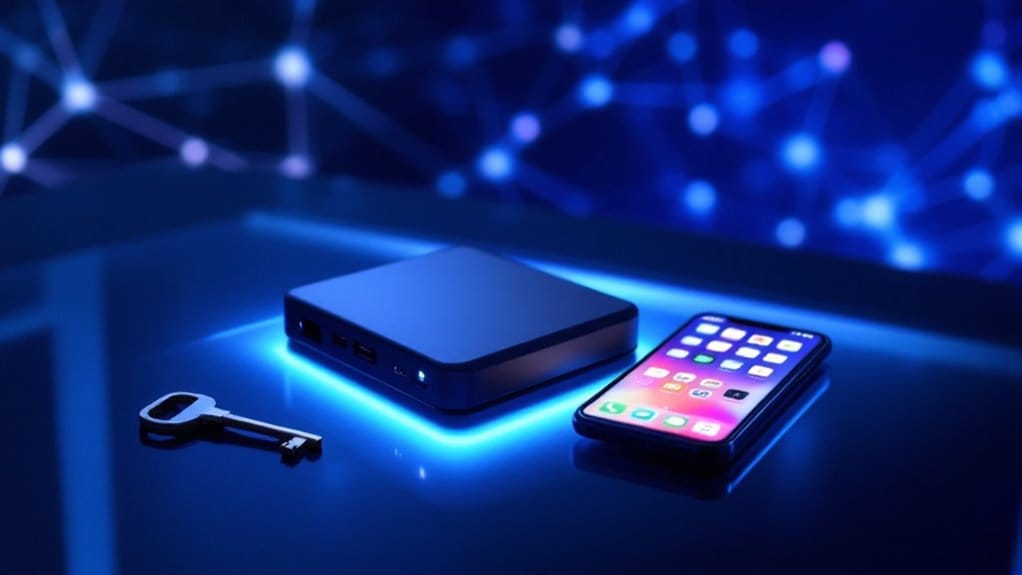
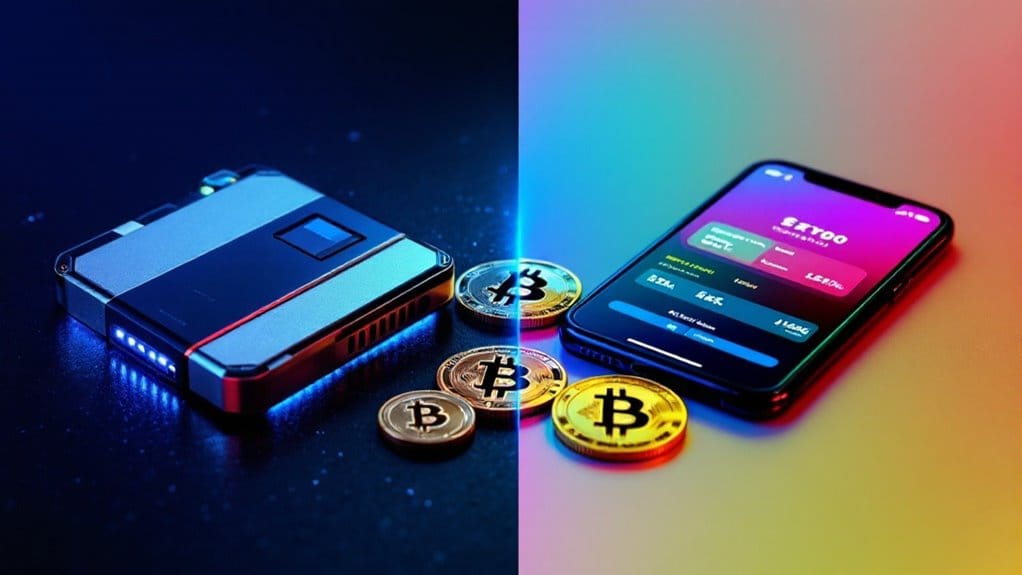
Decentralized wallets come in two main flavors: hot and cold. Hot wallets like MetaMask and Trust Wallet connect to the internet, making them convenient but slightly more vulnerable. Cold wallets such as Ledger and Trezor store your private keys offline—essentially putting your crypto in a digital vault that hackers can’t reach through internet connections. Following Cryptocurrency Security Standards can help users implement appropriate security measures for their digital assets.
Smart investors often use both: hot wallets for everyday transactions and cold storage for their crypto nest eggs. Many options like Best Wallet now provide fingerprint ID and two-factor authentication for enhanced security. These wallets enable users to engage in peer-to-peer transfers without requiring intermediaries to process transactions.
The beauty of these wallets extends beyond security. They support multiple cryptocurrencies across different blockchains, from Bitcoin to Ethereum to Solana and beyond. Many even let you store those digital art pieces everyone’s talking about—NFTs.
Decentralized wallets aren’t just secure—they’re versatile, supporting everything from Bitcoin to those trendy NFTs you’ve been eyeing.
And while software wallets are typically free, hardware options cost money (Trezor starts around $59) because, well, physical security isn’t free.
Setting up a decentralized wallet isn’t rocket science, but it does require careful attention. You’ll receive a recovery phrase—usually 12 or 24 random words—that serves as your ultimate backup.
Lose this, and you’ll be telling sad stories at crypto meetups for years to come. Write it down. Store it somewhere safe. Never, ever share it online.
The bottom line? Decentralized wallets deliver what cryptocurrency promised from the beginning: financial autonomy. No permission needed, no accounts frozen, no explaining why you’re withdrawing your own money. Just pure, unfiltered control over your digital assets.
Frequently Asked Questions
How Do I Recover My Wallet if I Lose My Seed Phrase?
Recovering a wallet without a seed phrase is challenging. Options include using private keys if accessible, contacting wallet providers for assistance, employing professional recovery services, utilizing encrypted storage solutions like Ledger Recovery, or exploring social recovery mechanisms.
Are Decentralized Wallets Insured Against Theft or Hacks?
Decentralized wallets are not insured against theft or hacks. Users maintain full responsibility as self-custodians of their assets. No central authority exists to provide compensation or recovery services following security breaches.
Can Government Agencies Track Transactions in Decentralized Wallets?
Yes, government agencies can track transactions in decentralized wallets through blockchain analysis, collaboration with analytics firms, and transaction monitoring technologies, despite the enhanced privacy these wallets offer compared to centralized alternatives.
What Are the Tax Implications of Using Decentralized Wallets?
Tax implications for decentralized wallets remain significant. Transactions trigger capital gains taxes, while mining or staking creates income tax obligations. The IRS expects reporting despite the wallet’s decentralized nature, with penalties for non-compliance.
How Do Transaction Fees Compare Between Different Decentralized Wallets?
Transaction fees vary among decentralized wallets primarily based on the underlying blockchain, not the wallet itself. Network congestion, gas prices, and transaction complexity determine costs rather than wallet-specific fee structures.