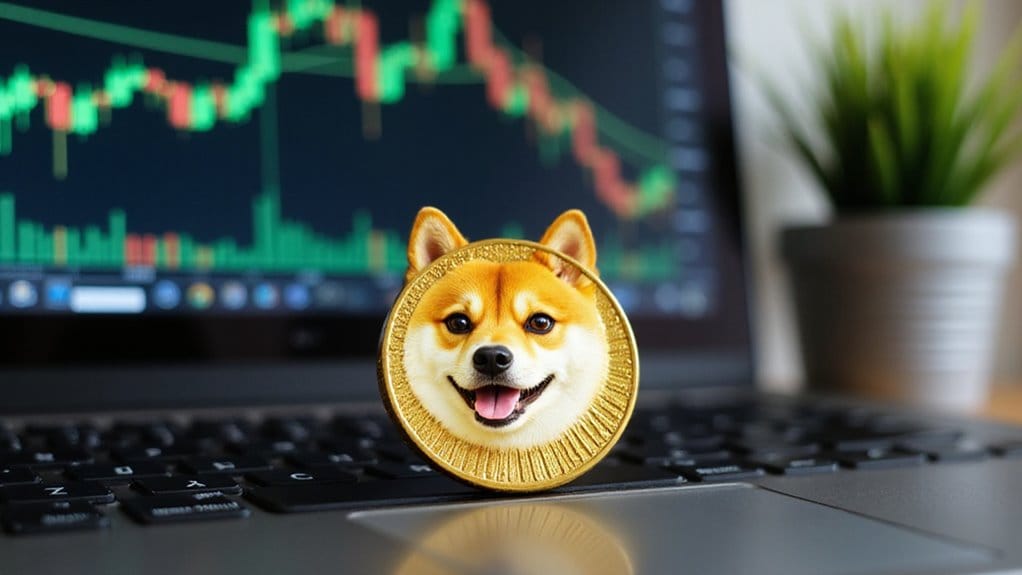
Altcoins are simply any cryptocurrency that isn’t Bitcoin. Think Ethereum, Dogecoin, or Cardano—over 16,500 options exist today! Most altcoins modify Bitcoin’s original code but serve specific purposes beyond what Bitcoin offers. Some enable smart contracts, others maintain stable value, and many use less energy than Bitcoin’s power-hungry mining process. Be careful though—these digital assets come with higher volatility and plenty of scams (78% of 2017’s ICOs were fraudulent). The crypto revolution extends far beyond Bitcoin’s borders.
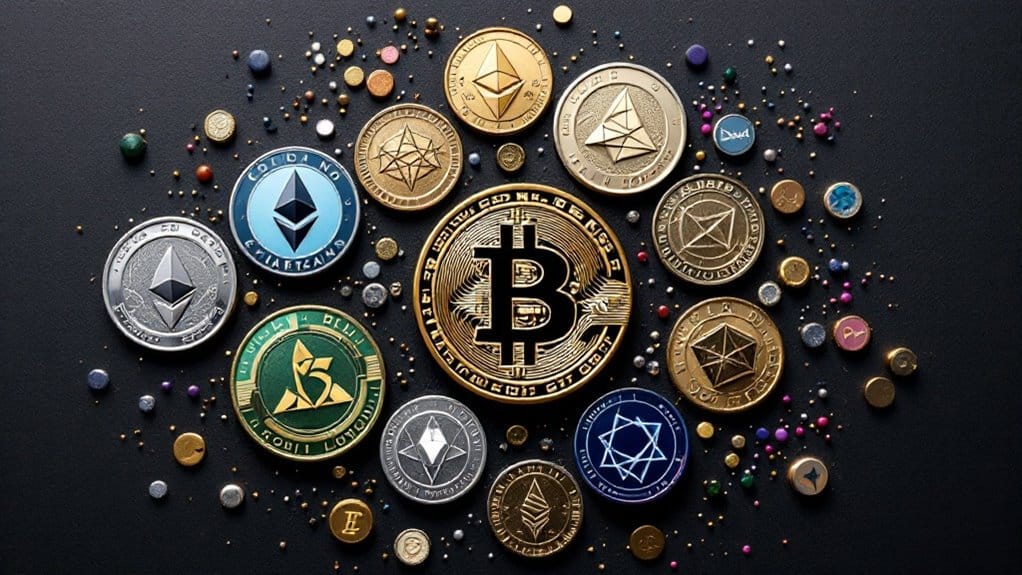
While Bitcoin may be the celebrity of the cryptocurrency world, thousands of alternative digital currencies—collectively known as “altcoins”—are quietly revolutionizing how we think about money, contracts, and digital ownership.
These digital assets, numbering over 16,500 as of December 2024, represent everything Bitcoin isn’t. The term itself combines “alternative” and “coin,” a straightforward descriptor for this diverse ecosystem.
Most altcoins begin life as modifications of Bitcoin’s open-source code, but don’t let that fool you—they’re not just Bitcoin copycats. They serve specific purposes you won’t find in Bitcoin’s playbook. Think of them as specialized tools rather than one-size-fits-all solutions. Some function purely as payment tokens, while others, like stablecoins, maintain steady value by pegging to assets like the US dollar.
Altcoins aren’t Bitcoin clones—they’re specialized digital tools solving unique problems beyond Bitcoin’s capabilities.
The real magic happens in how these currencies validate transactions. Bitcoin uses the energy-intensive Proof of Work system, but many altcoins opt for more efficient methods. Ethereum’s switch to Proof of Stake cut energy use by 99%. Smart, right? Other consensus mechanisms like Delegated Proof of Stake (EOS) and Proof of Authority (VeChain) offer unique approaches to transaction verification. Many altcoins are created due to developer disagreements resulting in forks of existing cryptocurrencies.
Want utility beyond simple payments? Altcoins deliver. Ethereum pioneered smart contracts, fundamentally self-executing agreements that eliminate middlemen. DeFi platforms let you lend, borrow, and earn interest without banks. Gaming tokens transform digital play into real earnings. Governance tokens? Those give you actual voting rights in project decisions. Some altcoins exist as utility tokens that provide access to specific services within blockchain ecosystems without conferring ownership rights.
Make no mistake—altcoins come with substantial risks. They’re typically more volatile than Bitcoin, which is saying something in the roller-coaster world of crypto. For every success story, countless projects fade into obscurity. Regulatory uncertainties loom large, and technical vulnerabilities exist. A concerning study revealed that 78% of ICOs launched during the 2017 boom were identified as scams.
The altcoin market represents both incredible innovation and speculative excess. Do your homework before investing—understand the technology, team credentials, and actual use cases. The future belongs to projects solving real problems, not just riding speculation waves.
The cryptocurrency revolution extends far beyond Bitcoin, and altcoins are leading the charge.
Frequently Asked Questions
How Do I Evaluate an Altcoin’s Long-Term Potential?
Evaluating an altcoin’s long-term potential requires analyzing its technological innovation, development team activity, community support, market performance, strategic partnerships, practical use cases, and regulatory compliance within its competitive landscape.
What Security Risks Are Specific to Altcoins?
Security risks specific to altcoins include 51% attacks on smaller networks, smart contract vulnerabilities, exchange hacks, wallet security breaches, private key exposure, and regulatory uncertainty that can completely devalue lesser-known cryptocurrencies.
Can Altcoins Replace Traditional Banking Systems?
Altcoins could potentially disrupt traditional banking through decentralized networks, faster transactions, and lower fees. However, regulatory uncertainty, volatility, and adoption barriers suggest a hybrid system is more likely than complete replacement.
How Do Altcoin Regulations Differ Globally?
Altcoin regulations vary considerably across regions. Asia shows diverse approaches from Japan’s acceptance to China’s bans. Europe offers unified frameworks through MiCA, while the Americas present a fragmented landscape with evolving oversight from multiple agencies.
What Happens to Altcoins During a Cryptocurrency Market Crash?
During cryptocurrency market crashes, altcoins typically experience amplified downward price movements compared to Bitcoin, suffering from heightened volatility, reduced liquidity, panic selling, and diminished investor confidence, often leading to more severe percentage losses.