
Security tokens are digital assets representing ownership in real-world investments like stocks or real estate, operating on blockchains. Unlike regular cryptocurrencies, they’re heavily regulated and require KYC/AML verification. Think of them as traditional securities in digital form—they must follow SEC rules and pass the Howey Test. These tokens offer fractional ownership of expensive assets, automated processes through smart contracts, and increased market transparency. Ready for the investment world’s digital transformation? The details get even more interesting.

The digital revolution has transformed how we think about investments, and security tokens sit at the forefront of this change. These digital assets represent ownership rights to real-world assets like stocks, bonds, or real estate, but with a blockchain twist. Unlike their cryptocurrency cousins, security tokens are bound by securities laws—yes, the same ones that govern Wall Street. They’re fundamentally traditional investment vehicles dressed in blockchain clothing.
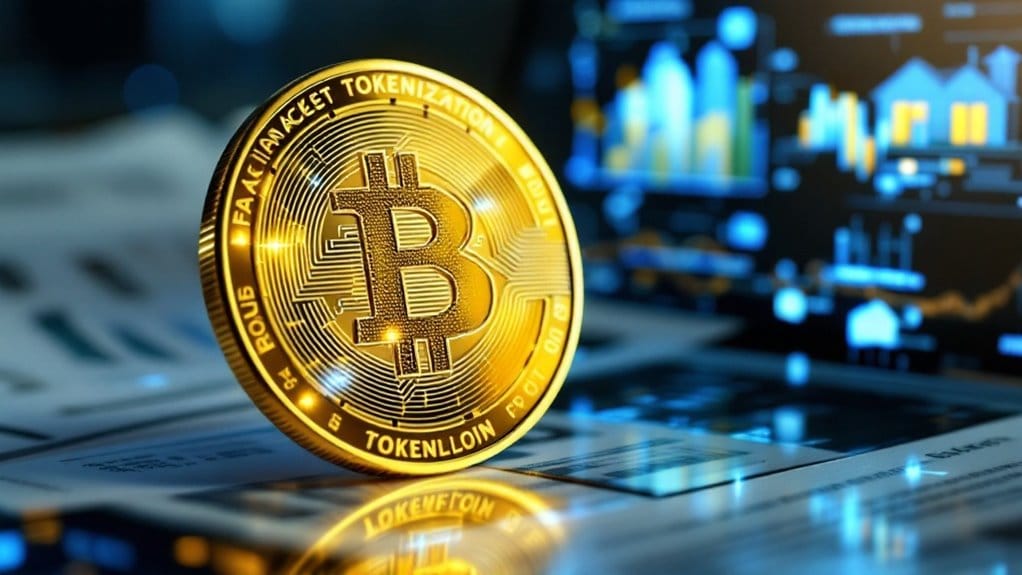
Security tokens emerge through a process called tokenization, where companies convert traditional assets into digital tokens stored on blockchains like Ethereum or Tezos. Think of it as taking a building worth millions and breaking it into affordable digital pieces anyone can buy.
Tokenization transforms million-dollar assets into accessible digital pieces, democratizing investment through blockchain technology.
These tokens don’t mess around when it comes to compliance—investors must complete KYC and AML procedures before participating. The blockchain then stores ownership records permanently, creating an immutable history of who owns what.
The advantages? They’re enormous. Security tokens automate tedious processes through smart contracts, slashing costs and eliminating middlemen. They bring unprecedented transparency to markets traditionally shrouded in paperwork. Many investors appreciate how these tokens operate as digital contracts for portions of owned assets.
Want to invest in high-value assets but don’t have millions? Security tokens enable fractional ownership, dramatically increasing market accessibility. This integration of real-world assets (RWAs) creates borderless markets that expand access to previously exclusive investment opportunities.
Real-world examples are already emerging. Steelcoin offers exposure to steel markets, while bNVDA represents tokenized Nvidia stock. Real estate tokens let investors own portions of property portfolios without the hassle of being a landlord.
But don’t confuse these with utility tokens! Security tokens specifically represent investment contracts with expectation of profit. Importantly, security tokens must be registered with SEC before being offered to investors, similar to traditional securities.
Regulatory oversight provides significant investor protections that wild-west cryptocurrencies lack. In the U.S., the SEC applies the Howey Test to determine if tokens qualify as securities. This regulatory framework, while sometimes challenging to navigate across different jurisdictions, ultimately protects investors from fraud.
Security tokens represent the sophisticated evolution of digital assets—combining the innovation of blockchain with the stability of regulated investments. They’re not just reshaping investment opportunities; they’re redefining what’s possible in global finance.
Frequently Asked Questions
How Are Security Tokens Regulated Across Different Countries?
Security tokens face varying regulatory frameworks globally. The U.S. applies the Howey Test through SEC oversight, while European countries like Switzerland have specific legislation. Asian nations such as Singapore have established clear guidelines for both investors.
Can Security Tokens Be Used for Decentralized Finance Applications?
Security tokens can integrate with DeFi applications, enabling tokenized traditional assets to participate in lending, liquidity provision, and automated trading through smart contracts, though regulatory compliance remains an essential consideration for implementation.
What Are the Tax Implications of Investing in Security Tokens?
Security token investments typically face capital gains taxation, with rates varying based on holding period. Investors must comply with jurisdictional regulations, maintain thorough records, and may face income tax on dividends or compensation-based token acquisitions.
How Do Security Tokens Impact Traditional Stock Exchanges?
Security tokens challenge traditional stock exchanges by offering 24/7 trading, reducing intermediaries, lowering costs, and increasing accessibility. Exchanges must adapt by integrating blockchain technology or risk losing market share to digital alternatives.
What Cybersecurity Risks Are Specific to Security Token Platforms?
Security token platforms face specific risks including private key vulnerabilities, smart contract exploits, platform hacking, and regulatory compliance challenges. These issues can lead to unauthorized transactions, fund losses, and legal complications for investors.