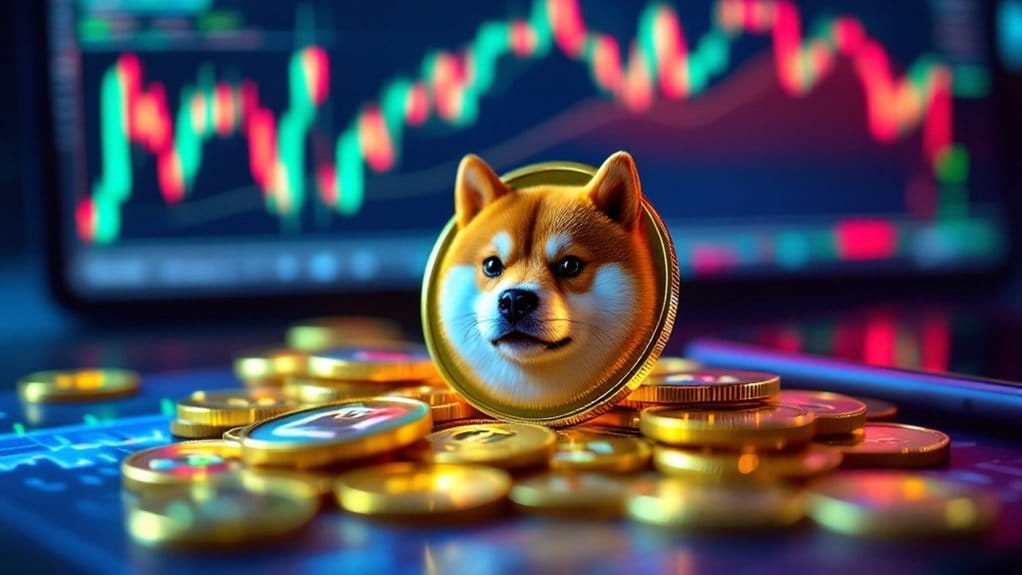
Meme coins are cryptocurrency tokens inspired by internet jokes and memes, like the original Dogecoin with its Shiba Inu mascot. Unlike Bitcoin or Ethereum, they typically offer minimal utility but thrive on vibrant online communities, celebrity endorsements, and viral marketing. Their values fluctuate wildly based on social media buzz—turning ordinary investors into millionaires or paupers overnight. Be cautious: these digital jesters come with massive risks, regulatory scrutiny, and heart-stopping volatility. Discover what makes these financial class clowns simultaneously dangerous and enthralling.

What happens when internet humor collides with cryptocurrency markets? You get meme coins—digital currencies inspired by jokes, internet memes, and cultural phenomena that have somehow amassed billions in market value. Born in 2013 with Dogecoin (yes, that smiling Shiba Inu), these speculative assets have transformed from simple jokes into serious financial instruments—well, “serious” might be stretching it.
Unlike traditional cryptocurrencies designed to solve technical problems, meme coins exist primarily for entertainment and community building. They lack utility but make up for it with vibrant online communities and viral marketing. The total market cap of meme coins has reached an astounding 20 billion dollars on Solana alone. Many meme coins are now using smart contracts to add functionality beyond their entertainment value. Think of them as the class clowns of crypto—not particularly productive, but impossible to ignore when they’re performing.
Meme coins: the digital court jesters—adding zero utility but stealing all the spotlight in crypto’s carnival.
These tokens derive their value almost entirely from social media buzz and celebrity endorsements. When Elon Musk tweets about Dogecoin, its price skyrockets. When communities rally around Shiba Inu or newcomers like Smog and Dogwifhat, trading volumes explode. In early 2025, meme coins generated over $6 billion in daily trading—real money flowing through joke currencies.
Creating a meme coin is surprisingly simple. Choose a name (preferably something catchy or absurd), select a blockchain like Solana or Base, set your token supply, add a cute logo, and launch on a decentralized exchange. No PhD required—just a sense of humor and basic technical skills. The most successful meme coins have a strong theme and dedicated community support behind them.
But don’t empty your savings account yet. Meme coins are extraordinarily risky investments. They can gain 1000% in value overnight—and lose it just as quickly. The $Trump and $Melania coins demonstrated this volatility perfectly, surging then crashing within days of launch.
Regulatory bodies are taking notice, too. Many countries now require meme coin creators to follow specific guidelines to protect investors from scams. Always research local laws before diving in.
Love them or hate them, meme coins represent the fascinating intersection of internet culture and finance. They’re democratizing access to crypto markets through humor—proving that sometimes, the joke can actually be worth something.
Frequently Asked Questions
How Do I Evaluate a Meme Coin’s Long-Term Potential?
Evaluate meme coins by analyzing total supply distribution, tokenomics mechanisms, developer credibility, and community dynamics. Look for capped supplies, transparent development teams, token-burning systems, and sustainable community engagement beyond initial hype.
What Taxes Apply to Meme Coin Trading Profits?
Meme coin trading profits typically incur capital gains tax. Rates vary by jurisdiction and holding period, with short-term gains taxed higher than long-term holdings. Traders should maintain detailed records for compliance purposes.
Can Meme Coins Be Staked for Passive Income?
Yes, certain meme coins offer staking programs that provide passive income. Projects like BTFD advertise high APY rates (up to 90%), though investors should remain cautious due to the inherent volatility of these tokens.
How Do Meme Coins Compare to Stablecoins for Investors?
Meme coins offer high-risk, speculative potential with extreme volatility, while stablecoins provide consistency and lower risk. Investors choose based on risk tolerance, financial goals, and whether they prioritize stability or growth opportunities.
Are Meme Coins Accepted by Mainstream Payment Platforms?
Meme coins have limited acceptance in mainstream payment platforms. While some businesses like GameStop and the Dallas Mavericks accept them, high volatility and regulatory concerns prevent widespread adoption in conventional payment systems.