To get a Bitcoin address, simply download a wallet app like Exodus or Electrum. These wallets instantly generate unique addresses starting with 1, 3, or bc1. Cryptocurrency exchanges like Coinbase also create addresses when you sign up. For maximum security, consider cold wallets that store keys offline. Always back up your recovery phrase—lose it, and kiss your Bitcoin goodbye. No customer service exists for forgotten keys. The next steps will transform you from crypto-curious to Bitcoin-ready.
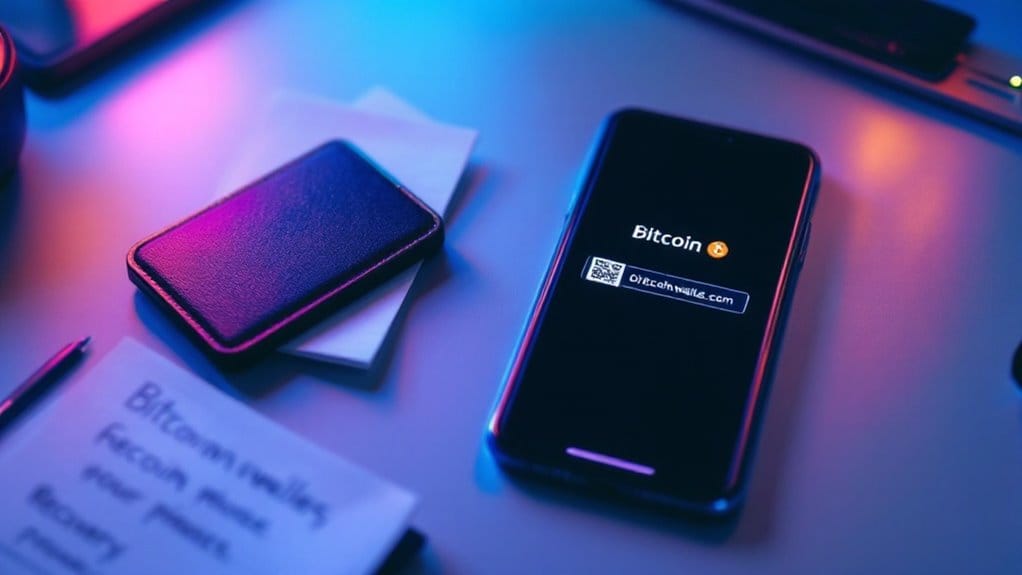
Diving into the world of Bitcoin requires one essential tool: a Bitcoin address. Think of it as your digital mailbox where people can send you Bitcoin. Unlike email addresses, however, these alphanumeric strings are generated through complex cryptography and appear as lengthy codes starting with 1, 3, or bc1.
Getting your first Bitcoin address isn’t rocket science. The simplest method? Download a Bitcoin wallet. These handy apps handle all the cryptographic mumbo-jumbo behind the scenes and spit out a shiny new address for you. Popular options include Exodus, Electrum, or the security-focused Trezor if you’re feeling fancy. Just install, follow the setup wizard, and voilà—address acquired! Each address is created through a series of cryptographic functions including SHA-256 and RIPEMD-160 to ensure security and uniqueness.
Not feeling the wallet route? Cryptocurrency exchanges like Coinbase or Binance automatically generate an address when you create an account. Fair warning: keeping large amounts on exchanges is like leaving your cash on someone else’s kitchen counter. Not the smartest move for long-term storage. For maximum security, consider using cold wallets which store your private keys completely offline and away from potential online threats.
Bitcoin ATMs offer another option. Find one nearby, select “buy Bitcoin,” and the machine will either generate a new address or let you scan an existing one. Convenient? Yes. Expensive? Also yes—these machines often charge hefty fees.
Privacy enthusiasts, listen up! Generate a new address for each transaction. This isn’t paranoia; it’s smart Bitcoin hygiene. Most wallets can create unlimited addresses linked to your same private key or seed phrase. Each Bitcoin address acts as a unique identifier on the network, ensuring your transactions are properly routed.
Whatever method you choose, BACK UP YOUR WALLET. Write down your recovery phrase (usually 12-24 words) and keep it somewhere safe. Lose this, and your Bitcoin vanishes into the digital void. No customer service hotline exists to reset your “password.”
Frequently Asked Questions
What Happens if I Lose My Bitcoin Address?
Losing a Bitcoin address alone doesn’t result in lost funds. However, if someone loses their private key or wallet password, their Bitcoin becomes permanently inaccessible, contributing to the estimated 20% of Bitcoin considered lost forever.
Can I Change or Delete My Bitcoin Address?
Users cannot delete Bitcoin addresses from the blockchain once created. However, they can generate new addresses through their wallet and stop using old ones, effectively abandoning them for enhanced privacy.
Are Bitcoin Addresses Case-Sensitive?
Bitcoin addresses vary in case sensitivity. Legacy addresses (starting with “1” or “3”) are case-sensitive, while Bech32 addresses (beginning with “bc1”) are case-insensitive. Users should copy/paste addresses to avoid potential transaction errors from incorrect capitalization.
How Many Bitcoin Addresses Can One Person Have?
A person can have an unlimited number of Bitcoin addresses. Most wallets allow generating multiple addresses for enhanced privacy and security. Users can create new addresses for each transaction to maintain transaction confidentiality.
Is My Personal Information Linked to My Bitcoin Address?
Personal information isn’t directly linked to Bitcoin addresses. However, transaction patterns, address reuse, and external data correlations can potentially connect addresses to real identities through blockchain analysis and surveillance techniques.