A DeFi wallet is your personal financial fortress in the crypto universe. It stores cryptocurrencies using cryptographic keys—your public address (think digital bank account number) and private key (never share this!). Unlike traditional wallets, DeFi versions give you complete control of your funds without middlemen, connecting directly to decentralized applications for staking, lending, and trading. Most come as mobile apps or hardware devices. Proper security practices will determine whether your crypto adventure ends in triumph or tears.
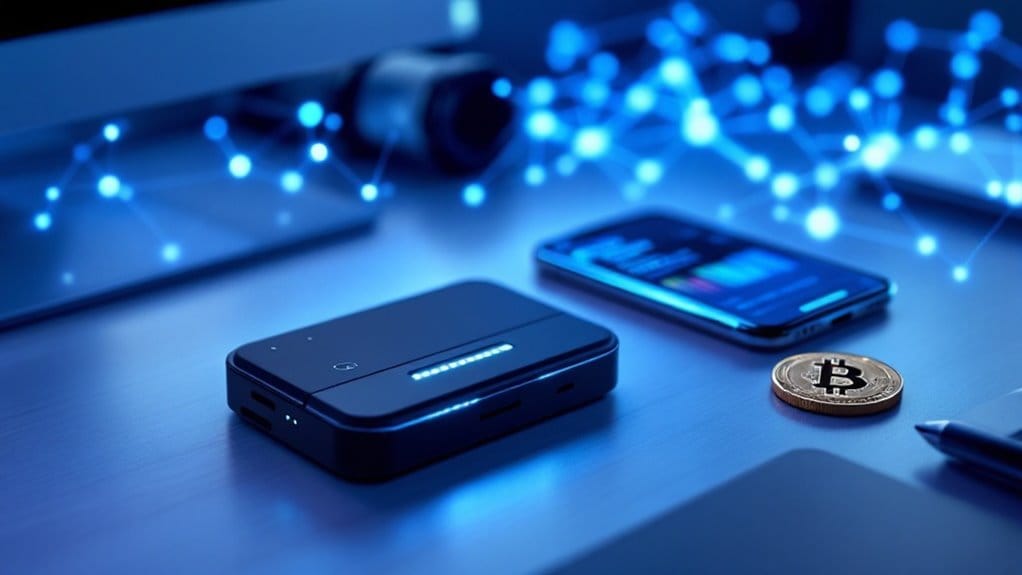
The digital revolution waits for no one, and DeFi wallets stand at the forefront of financial independence in the cryptocurrency world. These specialized tools empower users to store, send, and receive cryptocurrencies while maintaining complete control over their digital assets. These non-custodial solutions provide users with sole ownership of private keys, unlike centralized exchanges where companies control your access. Unlike traditional financial services that rely on intermediaries, DeFi wallets connect users directly to decentralized finance platforms, cutting out the middlemen who’ve been skimming off your transactions since forever.
DeFi wallets: your financial escape hatch from middlemen who’ve been quietly taxing your every move since money existed.
At their core, DeFi wallets operate using a pair of cryptographic keys—a public key that works like your address for receiving funds, and a private key that acts as your password. Never, ever share your private key. Seriously. That’s like handing someone the keys to your house along with a detailed map of where you hide your valuables. When you initiate a transaction, your private key digitally signs it, broadcasting the information to the blockchain network for verification and permanent recording.
These wallets come in various forms to suit different needs. Software wallets offer convenience for day-to-day transactions, while hardware wallets provide fortress-level security by keeping your keys offline. Web wallets like MetaMask let you interact with dApps through your browser, and mobile wallets put financial freedom in your pocket. Choose wisely based on your security needs and usage patterns. Built on blockchain technology, these wallets enable true peer-to-peer transactions without traditional financial gatekeepers.
The benefits are substantial: complete financial autonomy, enhanced security, transparent transactions, global accessibility, and seamless interaction with multiple decentralized applications. These wallets also offer critical DeFi integration capabilities that enable users to stake, lend, and borrow directly from their wallet interface. But with great power comes great responsibility. Protect your wallet by using trusted providers, keeping software updated, implementing two-factor authentication, and avoiding sketchy Wi-Fi connections.
Want to join the DeFi revolution? Start by researching reputable wallet providers, consider your security comfort level, and select an interface that doesn’t make your brain hurt. The learning curve might feel steep, but the payoff—financial services without gatekeepers—makes the effort worthwhile. Welcome to banking’s next evolution, no permission slip required.
Frequently Asked Questions
How Secure Are Defi Wallets Against Hacking Attempts?
DeFi wallets offer strong security through encryption and private key control, but remain vulnerable to smart contract exploits, phishing attacks, and user error. Hardware wallets and vigilant security practices greatly enhance protection against hacking attempts.
Can I Recover My Assets if I Lose My Private Keys?
Without a seed phrase, assets in a DeFi wallet cannot be recovered if private keys are lost. This represents a fundamental security principle where complete control means complete responsibility for key management.
What Are the Typical Fees Associated With Defi Wallet Transactions?
DeFi wallet transactions typically incur transaction fees, gas fees for Ethereum networks, withdrawal fees, exchange fees when using DEXs, and potentially management or service fees depending on the specific protocols used.
Are Defi Wallets Compatible With Traditional Banking Systems?
DeFi wallets have limited direct compatibility with traditional banking systems. Integration is developing through custody services, interoperability protocols, and Banking-as-a-Service platforms, though technical and regulatory challenges persist in bridging these distinct financial ecosystems.
How Do Regulatory Changes Affect Assets Stored in Defi Wallets?
Regulatory changes can subject DeFi wallet assets to tax reporting requirements, increased KYC/AML compliance, and potential centralization pressures. These developments may impact user privacy while creating challenges for maintaining true decentralization of stored assets.