SOL is Solana’s native cryptocurrency, powering one of crypto’s fastest blockchain networks. It handles 65,000+ transactions per second—way faster than Ethereum—using a unique Proof of History mechanism. Users can stake SOL for passive income, pay minimal transaction fees, or participate in governance. Available on major exchanges like Coinbase and Binance, SOL remains a top cryptocurrency despite price fluctuations. The growing ecosystem includes NFTs, DeFi, and even a dedicated mobile phone for the crypto-curious.
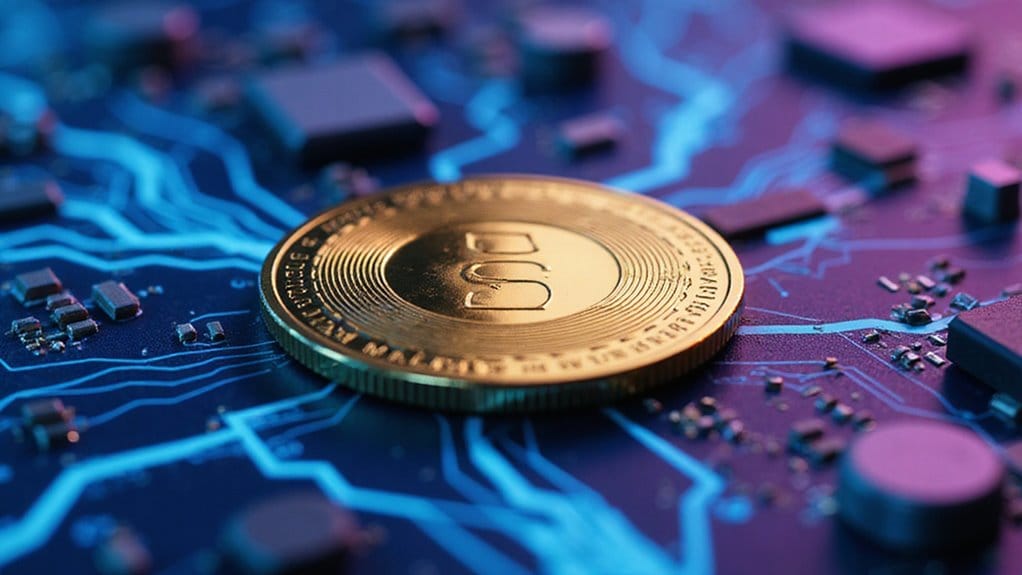
The world of cryptocurrency never sleeps, and SOL—Solana’s native digital currency—stands as one of its most intriguing players. Launched as the backbone of the Solana blockchain, SOL serves multiple critical functions that power this high-performance network. Users need SOL to pay transaction fees (called lampoon fees), participate in staking, and vote on governance proposals that shape the platform’s future. You’ll find SOL available on major exchanges like Binance and Coinbase, where millions of traders regularly swap their dollars for this digital asset.
SOL’s real magic happens in how it enables Solana’s impressive technical performance. The network combines two consensus mechanisms—Proof of History (PoH) and Proof of Stake (PoS)—to achieve speeds that leave competitors in the dust. While Ethereum struggles with congestion, Solana processes over 65,000 transactions per second. That’s not a typo. The PoH algorithm timestamps transactions, dramatically reducing validation time and making the network blazingly fast. This incredible efficiency is made possible by creating historical records for transactions that establish precise timing. Unlike Polygon’s approach of using sidechains architecture to enhance Ethereum, Solana built its own blockchain from the ground up for maximum performance.
Want passive income? Stake your SOL. By locking up tokens, you’ll help secure the network while earning newly minted SOL as rewards. This staking system contributes to SOL’s unique tokenomics, which includes a deflationary burning mechanism that removes tokens from circulation and potentially supports price stability. Safe storage of your SOL tokens is available through several wallet options including Phantom and Ledger.
SOL made headlines in 2021 when its price skyrocketed above $260, pushing its market cap beyond $75 billion. While prices have fluctuated since then, SOL remains a top cryptocurrency by market capitalization in 2024. Its value proposition? Lower fees and faster transactions than Ethereum, with growing support for decentralized applications, NFTs, and DeFi protocols.
The future looks busy for SOL with innovations like the Solana mobile phone expanding its ecosystem. Smart investors keep an eye on regulatory developments, adoption metrics, and new dApps launching on the platform.
Frequently Asked Questions
How Does SOL Compare to Ethereum for NFT Transactions?
Solana processes NFT transactions faster (2,600 TPS vs. Ethereum’s 15-30 TPS) and with considerably lower fees (under $0.02 vs. Ethereum’s $1+). However, Ethereum has a larger, more established NFT ecosystem and marketplace.
What Security Measures Protect SOL Holdings Against Hacks?
SOL holdings are protected by advanced cryptography, Proof of History, validator clusters, and the Sealevel Virtual Machine. Users can enhance security with hardware wallets, 2FA, and multi-signature wallets for additional protection.
Will Sol’s Value Be Affected by Upcoming Regulatory Changes?
Solana’s value will likely be influenced by upcoming regulatory changes. The potential ETF approval in 2025, CFTC’s authorization of futures contracts, and SEC lawsuit dismissal could all considerably impact SOL’s market performance.
How Do SOLana’s Network Outages Impact SOL Token Price?
Solana’s network outages historically triggered significant SOL price drops of 10-15%. However, recent outages show diminishing impact as investors become accustomed to these technical issues, with prices recovering even before network restoration.
Can SOL Maintain Its Speed Advantage Over Competing Blockchains?
Solana may maintain its speed advantage through innovations like Firedancer, but faces challenges from Ethereum’s upgrades and occasional network outages. Its architectural design supports scalability, though competitors are rapidly improving their infrastructure.